When any existing procedure of scamming people is totally exposed or outdated then it’s a very big challenge for scammer to find new one. Because over the period they have inculcated such a behavior that if they don’t do any type of fraud to anyone then they will not be able sleep eventually. Fake Digital arrest scams are a new way to fool the common man.
In India, where over 500 million people use WhatsApp daily, the app has become a cornerstone of communication, business, and even government services. But this immense popularity has also made it a prime target for scammers to play fake digital arrest scam.
One of the most alarming and increasingly prevalent threats in recent months is the
fake digital arrest scam, a devious plot that preys on your fear of the law and your personal information.
There is no provision in INDIA that any official can arrest you digitally. So technically police never arrest you digitally rather physically .
Fake Digital Arrest is totally illegal !
Table of Contents
What is Fake Digital Arrest Scam?
In this scam, cybercriminals send fraudulent messages claiming that the victim is involved in criminal activity and will be arrested unless they take immediate action—usually involving the transfer of money or the submission of sensitive personal details. What makes this scam especially dangerous is its ability to exploit the very elements of trust and fear that WhatsApp fosters in our daily lives. This also known as cybercrime impersonation scams.
Most likely personalities which can be victimize for Fake digital arrest scam online legal frauds.
Vulnerable Individuals
People who are old often unfamiliar with digital threats and less skeptical of official-sounding calls or emails. Scammers exploit their trust and fear of legal trouble to extort money or personal information.
Adults and your students often targeted with scams related to fake student loans, immigration, or unpaid fines. Their lack of experience with legal processes makes them susceptible to threats.
Individuals in Specific Professions
Business owners irrespective of small or big.
Immigrants and Foreign Workers in case of tax or visa related issue or government employe.
Emotionally Distraught People
Those who are recently involved in crime related concern may be targeted with fake calls claiming updates or fees related to their cases. Scammers exploit their heightened state of worry or confusion.
Who are less aware of technology:
May not recognize phishing emails, fake caller IDs, or fraudulent URLs.
More likely to fall for urgent-sounding communications.
During any pandemic specific Events:
Scammers exploit widespread fear during pandemics or crises, pretending to enforce health mandates or claiming unpaid fines.
Legal Notices which are fake:
Common people and general audiences are targeted through emails or messages about fabricated legal actions, prompting them to pay or share personal details to avoid arrest.
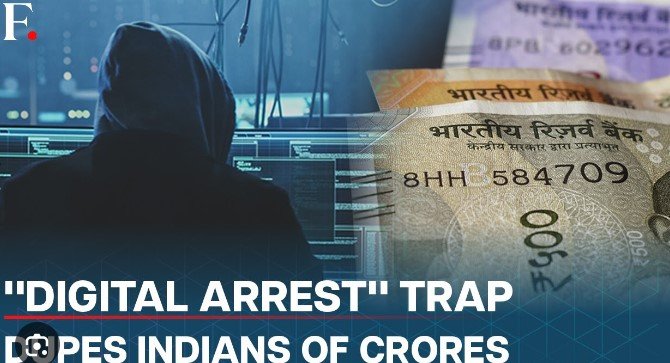
Many of victims across INDIA now days which are unknowingly getting trapped in fake digital arrest scam.
How this digital arrest scam works:
A victim may receive a message that appears legitimate at first glance, with details that seem official—such as a police station name, court case number, or a police officer’s name. The message may then escalate quickly, adding pressure with threats of imminent arrest or legal action if the recipient does not comply with the instructions provided.
The main objective of scammer is to create the FOMO means fear of missing out. Its means if anyone is not following their instructions then they have to loss bigger amount or maybe they have to face bigger consequences.
Basic Activities/Tactics Played by Fraudsters:
Some of the know basic threats which can be imposed on victims as part of Fake law enforcement.
1. Threat of Arrest:
The message may inform the recipient that they have committed a crime, like a financial fraud or violation of digital privacy laws. The fraudster then warns that if the individual doesn’t comply, they will face immediate arrest.
2. Payment Demands:
The criminals often demand an upfront “settlement” fee to clear the charges. This fee is described as a “fine” or “bail amount,” with payment methods usually through online transfer, cryptocurrency, or gift cards. Once the money is transferred, the fraudster disappears, leaving the victim in a financial bind.
3. Urgency:
Messages often have a sense of urgency, claiming that the individual’s name has been flagged for illegal activities and that immediate action is required to avoid jail. This tactic preys on the fear of quick legal consequences.
4. Fake Legal Documents:
Some scammers go the extra mile by sending forged legal documents, such as arrest warrants or court orders, to convince the victim that the arrest is legitimate. These documents are designed to appear professional, using official-sounding language and logos.
5. Personal Information Harvesting:
In some cases, the scammer may ask for personal information, such as bank account details or Aadhaar number, under the guise of needing it for “verification” or “processing the bail request.”
Digital Arrest Scam Known Steps:
| Vulnerable Situation | Consequences |
| Behave like any ‘Officials’ | Scammers impersonate police, CBI, or other government officials, claiming legal action is imminent. |
| No time to think anything, Urgency and Threats of Arrest | Scammers create fear, saying the victim or their family is involved in a crime and threaten arrest if immediate action isn’t taken. |
| Wanted your Personal Information or trying to get Payment | Scammers demand personal information or money, promising to clear the victim’s name or resolve the issue. They may ask for money via bank transfers or UPI. |
The Role of WhatsApp in Combatting the Problem of Cybercrime impersonation scams:
WhatsApp, as the platform through which many of these scams are executed, is under increasing pressure to take more proactive measures in combating these fraudulent activities. WhatsApp has taken steps in the past to curb scams by promoting two-step verification and blocking suspicious accounts, but the scale of digital fraud in India presents an ongoing challenge.
In 2021, WhatsApp introduced a new feature that allows users to report suspicious messages or contacts, but this measure is only effective if users are aware of it and willing to use it. Additionally, WhatsApp has collaborated with law enforcement agencies in some cases to trace and track down cybercriminals, but these efforts have yet to make a significant dent in the overall problem.
Why fake digital arrest Scam Issue Growing in India?
The proliferation of fake digital arrest scam can be attributed to several factors specific to India’s rapidly digitizing landscape:
1. High Mobile Penetration:
With over 600 million internet users and a dominant use of smartphones, WhatsApp is the most popular messaging app in India. It serves as a go-to platform for everyday communication, making it a ripe target for scammers.
2. Limited Digital Literacy:
While internet penetration has increased, digital literacy remains relatively low in many parts of the country. Many people, especially in rural areas, are unfamiliar with the nuances of online scams, making them vulnerable to these types of fraud.
3. Lack of Cybersecurity Awareness:
Though India has made strides in improving its cybersecurity policies, public awareness around digital security remains limited. The lack of knowledge about phishing attacks, data privacy, and online fraud makes individuals more susceptible to these kinds of scams.
4. Overburdened Law Enforcement:
India’s law enforcement agencies, often grappling with a shortage of resources and personnel, may not always be able to respond swiftly to such cases. This delay in action allows scammers to operate with relative impunity.
How we can save our self from fake digital arrest scam:
Protect against digital arrest scams is very crucial for everyone as much you are aware of tricks and background you can save yourself and your loved ones.
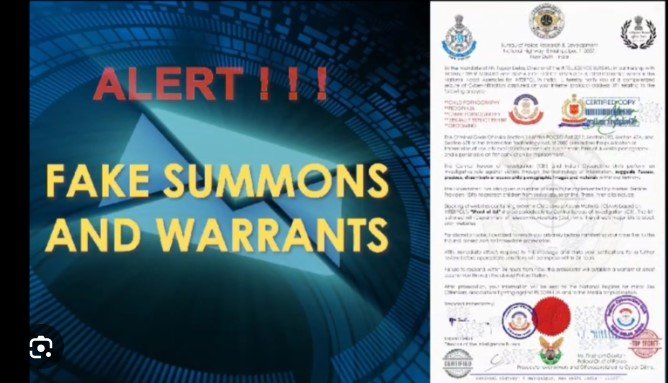
Recognize Red Flags
Informal Communication: Real law enforcement typically will not contact you via email, social media, or text to issue arrest warnings. They communicate through official letters or in person.
Urgency of Payment: Law enforcement does not demand money or payment via online methods (e.g., gift cards, cryptocurrency, or wire transfers) to clear an arrest or fine.
Suspicious verbal communication: Scammers often use fear tactics or urgent language to pressure you. Real legal communication is usually formal and less emotional.
Verify Identity
Request Identification: If contacted by someone claiming to be an officer, ask for their full name, badge number, and department.
Independently Contact Authorities: Use official phone numbers listed on government websites to verify their claims. Do not use any contact information provided by the caller.
Research the Department: Check if the supposed law enforcement agency or department even exists if you are unfamiliar with it.
Avoid Sharing Personal Information
Be reluctant in sharing Sensitive Data: Never share personal, financial, or other sensitive information over phone calls, emails, or messages. Law enforcement will not ask for this information to confirm your identity.
Avoid having of urgency to Watch for Phishing Links: Scammers may ask you to click on links or provide information via fake websites. Always verify the authenticity of the website and sender before clicking or providing details.
Report Suspicious Activity
Immediate Report the Scam: If you receive a fake digital arrest scam threat, report it to the appropriate authorities (e.g., local police, Federal Trade Commission in the U.S., or a consumer protection agency). These agencies can help you address the scam and protect others by tracking similar schemes.
Block and Ignore Scammers: Do not engage further once you realize the communication is fake. Block the number, email, or account, and mark the messages as spam.
One way to get minimal unidentified call to your number is to activate DND service on your number.
Conclusion:
The conclusion of a fake digital arrest scam as much you are aware you will be safe and there is no legal basis for digital arrests, and that victims should immediately report the scam to their bank and file a complaint with the National Cyber Crime Reporting Portal.
Q1: How to save ourselves from WhatsApp online scam?
Ans: Do not engage or interact with any unknow calls which is coming through WhatsApp irrespective of audio or video.
Q2: Where to complain Digital Arrest Scams?
Ans: Report suspicious activity immediately to trusted sources, such as the cybercrime helpline (1930).
Q3: What if fake digital arrest scam happened with you.
Ans:
1> Keep any evidence you have, such as call details, transaction details, and messages.
2> Immediately report your bank and freeze your account.
3> file a complaint with the National Cyber Crime Reporting Portal.
Q4: Online digital arrest scam by police.
Ans: Same as fake digital arrest scam done by set of people. It’s bogus police simply to scam your money.
Q5: How to complain spammer contact to government.
Ans: Either you can register to sarathiportal or you can go through below link for better detailing.